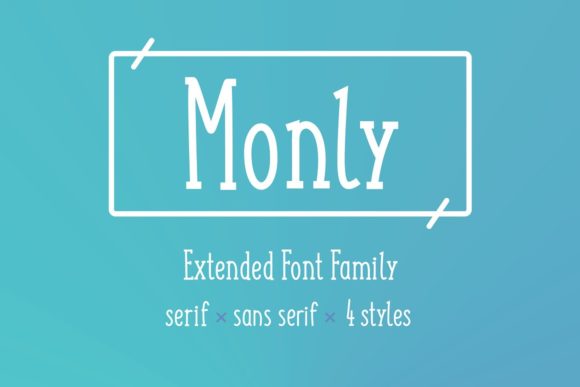
Discover Monly: A Versatile Font for Creative Branding
As a graphic designer, I recently had the pleasure of working on a branding project for a charming local café. The café's owner, Sarah, wanted a fresh, modern look that would still feel welcoming and cozy. After some brainstorming, I decided to test out Monly, a playful and simple display font that comes in both serif and sans serif styles.
First Impressions with Monly
Opening a blank brand board, I started by testing Monly on a logo draft. The first thing that struck me was how versatile it is. The serif style added a touch of elegance, while the sans serif version felt more contemporary. Combining these two fonts, I was able to create a balanced and dynamic logo that perfectly captured the café's personality.
Logo Design and Brand Identity
For the logo, I used the serif style for the café's name, "Café Serene," and the sans serif for the tagline, "A Cozy Corner." This combination created a visually appealing contrast, making the logo stand out without feeling overwhelming. The readability was excellent, even at smaller sizes, which is crucial for business cards and menu headers.
Packaging and Product Labels
Next, I moved on to packaging design. The café offers a range of homemade pastries and artisanal coffee blends. I used Monly's sans serif style for the product labels, ensuring that the text was clear and easy to read. The clean lines and modern feel of the font complemented the minimalist packaging design, making the products look professional and high-quality.
Social Media Graphics and Web Design
One of the key areas where Monly really shone was in social media graphics and web design. For Instagram posts, I used the serif style for quotes and the sans serif for captions. The result was a cohesive and visually engaging feed that reflected the café's brand identity. On the website, I used Monly for the header and subheadings, creating a strong visual hierarchy that guided the user's attention effectively.
Printed Marketing Materials
For printed materials like flyers and posters, Monly provided the perfect balance of style and readability. The serif style was used for the main headlines, adding a touch of sophistication, while the sans serif was used for the body text, ensuring clarity and ease of reading. The overall effect was a set of materials that looked polished and professional, yet still approachable and inviting.
Practical Advice for Testing Monly
Before fully committing to Monly for the entire brand system, I recommend testing it in various contexts. Start with a few mockups—try it on a shop sign, a business card, or a label sticker. Observe how the font looks in different sizes and on different backgrounds. This will help you understand its versatility and ensure it meets the needs of your specific project.
Font Pairing and Additional Features
When it comes to font pairing, Monly works beautifully with a wide range of typefaces. For a more traditional look, pair it with a classic serif font. For a modern and sleek design, consider a geometric sans serif. Additionally, Monly includes a variety of styles, alternates, and ligatures, allowing for further customization. It also supports multiple languages, making it a great choice for international projects.
Final Thoughts on Monly
In conclusion, Monly is a fantastic addition to any designer's toolkit. Its playful and simple design, combined with the option of both serif and sans serif styles, makes it incredibly versatile. Whether you're working on a logo, packaging, social media graphics, or printed materials, Monly can add a modern and professional touch to your projects. Give it a try and see how it can elevate your next branding endeavor.